“Success in this industry is not just about individual performance” – Meet Eric Montagnon

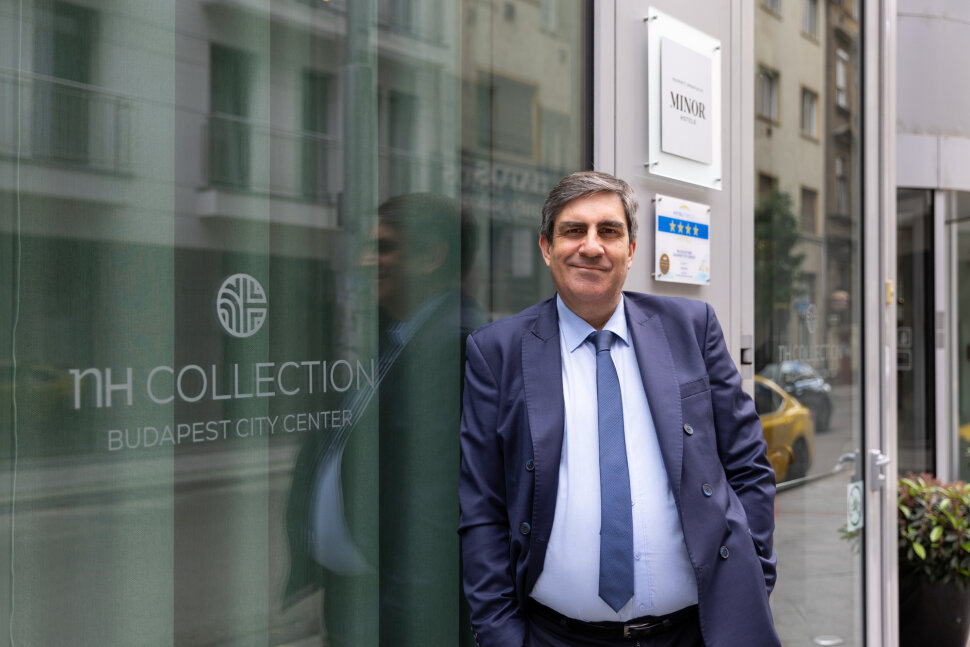
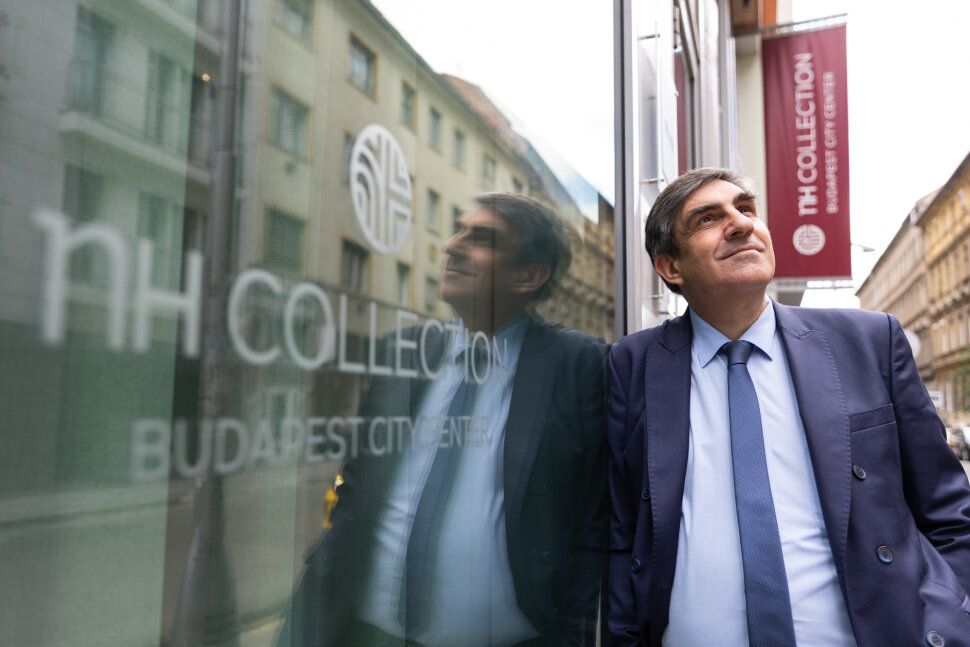
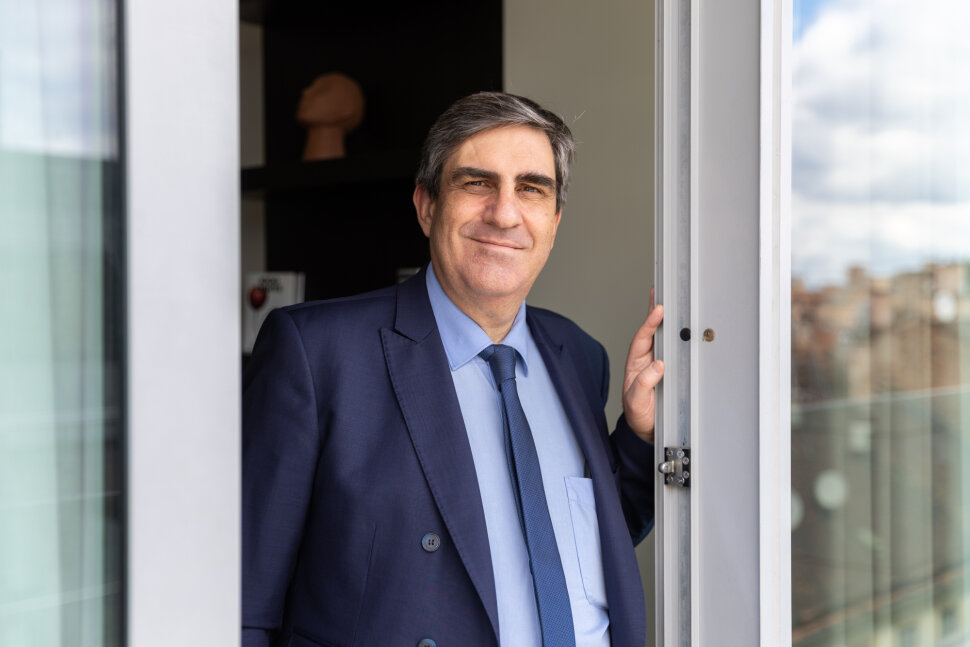
Eric has been living and working in Budapest for fifteen years, giving him a front-row seat to the complete evolution of the city’s tourism and hospitality industry. He currently serves as Cluster Director of Sales for NH Collection Budapest City Center and its affiliated hotel group, overseeing the commercial activities of the hotel chain.
In this interview, we not only explore what this complex role means in everyday practice, but also take a look behind the scenes. We discuss the differences between traditional, relationship-based bookings and today’s modern tech-driven world, the logistical challenges brought by international film productions and large-scale industrial investments, and why transparent communication and teamwork are the most important tools a leader can have when sudden market shifts force an entire strategy to be completely rethought.
The Road to Becoming a Sales Director
- Many people know exactly where they want to end up while still at university, but in your case, hospitality seems to have been more of an organic love story that found you along the way. How did it all begin?
- Eric Montagnon: Exactly. I didn’t start out with a rigid career plan in my hands. I was always drawn to environments where international atmosphere, high-quality service, and genuine human interaction come together. The moment I entered the hospitality industry, I was immediately captivated by that world. I realized this profession is the perfect combination of pure business, human connection, and experience-driven value creation.
- So in practice, this means you climbed the ladder step by step before becoming the sales director of NH Collection Budapest City Center. How difficult was that journey?
- Eric Montagnon: I built my career gradually, one step at a time. At the beginning, I deliberately focused on mastering the fundamentals of hospitality: I wanted to understand guests’ real expectations and the hard operational limitations of daily hotel operations. Only after that did I move into sales. That’s where I learned relationship management, negotiation techniques, and how to build market strategies. As my responsibilities grew, so did my leadership role and my understanding of different market segments.
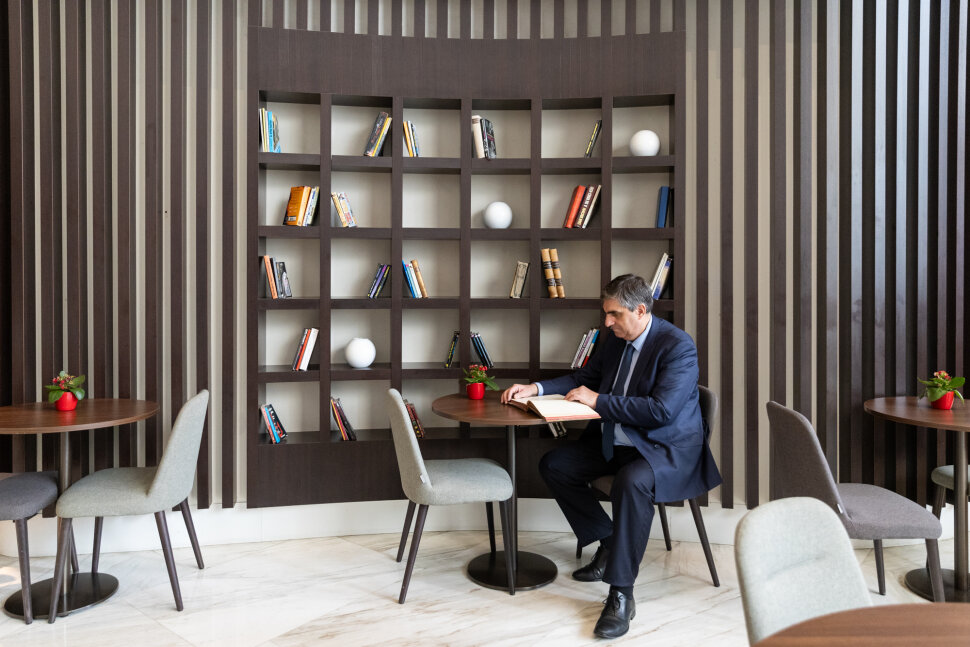
I was fortunate to work with mentors who cared not only about numbers, but also about personal growth. They taught me that success in this industry is not just about individual performance. It’s about leading by example, having a strong work ethic, and empowering your team to make decisions. In the end, everything comes down to building trust — internally with colleagues and externally with partners.
What Does “Cluster” Mean, and What Does a Director’s Day Look Like?
- Your official title is “Cluster Director of Sales.” To outsiders, the word “cluster” sounds a bit mysterious. What does it actually mean in practice, and how do your days not blur together under so many responsibilities?
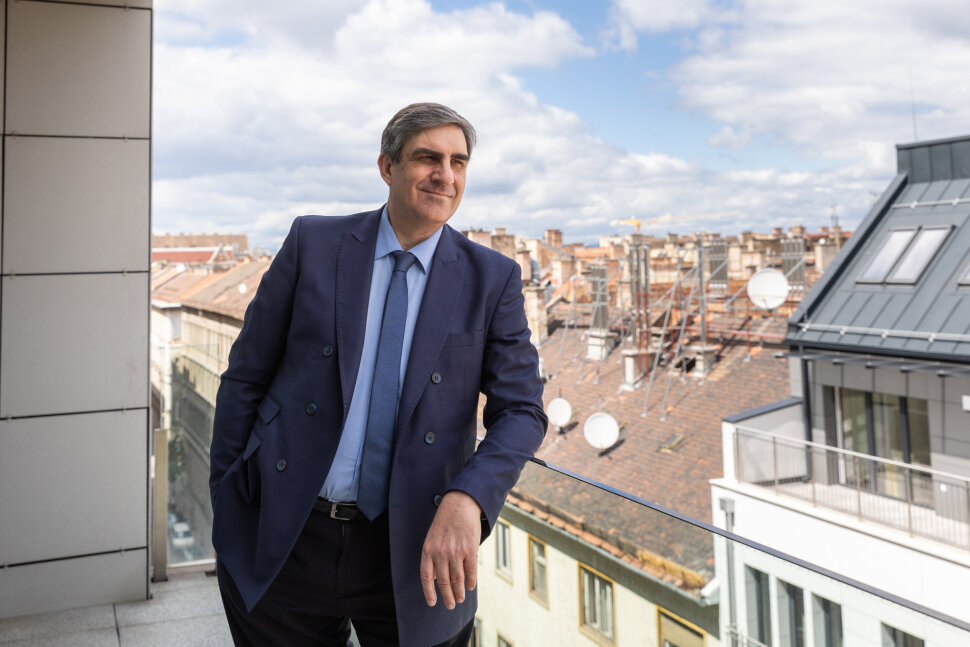
- Eric Montagnon: In reality, it means I’m responsible not for a single hotel, but for overseeing and directing the entire commercial performance of several properties within a defined portfolio. My role is to shape the overall sales strategy, ensure that each hotel operates in line with its own identity, and maximize market revenue. It requires tremendous coordination.
I work with an extremely diverse and collaborative team: sales managers, coordinators, revenue managers, and marketing professionals all support my work.
As for the day-to-day reality, there’s really no such thing as a “typical” day — and honestly, that’s what I love most about it. If I had to summarize, my time is divided into three main pillars: analyzing performance metrics and attending strategic meetings; maintaining ongoing communication with key partners and clients; and coaching teams, reviewing ongoing projects, and creating action plans together.
At the same time, I constantly keep an eye on market trends to ensure we remain competitive.
- If I understand correctly, your responsibilities cover everything from paperwork to creative campaigns. What kinds of projects are you involved in, and what kind of “superpower” does someone need to succeed in this role?
- Eric Montagnon: The scope is indeed very broad. I’m responsible for planning annual sales strategies and budgets, identifying new business opportunities, managing key clients, and negotiating major contracts. At the same time, I work on optimizing sales channels and collaborating with the marketing team on campaigns. I’m also often involved in internal projects aimed directly at improving guest experience or strengthening brand positioning.
As for the most important skill? Without question, it’s the ability to combine strategic thinking with decisive execution. It’s not enough to see the bigger picture if daily actions don’t produce measurable results. As a working philosophy, I strongly believe in transparency and clear communication: the team needs to clearly understand both the goals and their responsibilities.
Budapest’s Evolution – From Traditional Tourism to International Film Productions
- You’ve worked in the Budapest market for fifteen years, which is a long time. Looking back, it must feel like an entirely different world. Who were the guests back then, and how are expectations different today?
- Eric Montagnon: The transformation has been incredible. When I started working here 15 years ago, Budapest was already an attractive destination, but the hotel market was much more traditional and predictable. We relied heavily on seasonality, classic weekend city breaks, and a stable but relatively slow-moving corporate segment. Back then, Western European leisure travelers dominated the market, while corporate clients mainly came from finance, consulting, and traditional commercial sectors. Group travel and travel agencies also played a much larger role.
Modern guests are far more informed and have much clearer expectations: they demand instant digital convenience, seamless experiences, and personalized service in exchange for their money. On top of that, because of online reputation systems and guest reviews, there is now virtually no room for inconsistency in service quality.
- Travel habits have also changed significantly, with entirely new niche segments emerging. How did NH Collection Budapest City Center respond to this?
- Eric Montagnon: One major trend is the blending of business and leisure travel, what we call “bleisure” within the industry. At the same time, there has been a significant rise in long-term guests, project-based corporate clients, and digitally confident travelers.
I would particularly highlight film productions and large-scale industrial investments.
Meanwhile, factories and major industrial developments around the city bring in foreign engineers and project teams. This creates an excellent, stable demand that is independent of traditional tourism seasons.
From a sales perspective, however, this makes our job far more complex. We have to remain agile. We’ve upgraded our digital platforms, refined our service standards, and introduced tailor-made corporate solutions, package offers, and extended-stay options specifically designed for these new demands.
Adaptation and Crisis Management in Practice
- Large-scale projects like film crews or sudden market crises must come with considerable stress. Was there a moment in your career that truly felt like being thrown into the deep end, but that you’re proud of overcoming?
- Eric Montagnon: Yes, I clearly remember a particularly unstable and unpredictable market period when we had to completely rethink our business strategy and segmentation under enormous time pressure.
It required tremendous teamwork and constant day-to-day adaptability from every department. In the end, not only did we stabilize the hotel’s performance, but we also created a more resilient business model that still benefits the property today. It was an exhausting yet incredibly rewarding period.
Another major learning experience was handling film productions. We once hosted a massive crew for an extended stay. Shooting schedules changed by the minute, and their logistical requirements were unbelievably specific. Coordinating rooms, private spaces, meeting facilities, and catering while ensuring maximum discretion was an enormous challenge. We were rewriting plans almost daily.
Diplomatic delegations and entertainment industry celebrities require a similar level of precision. In those cases, hospitality becomes about anticipating guests’ needs before they even express them themselves.
- Looking back over these 15 years, what is the biggest difference between the “good old days” and today’s fast-paced, tech-driven world? What is the most important lesson you carry with you?
- Eric Montagnon: It’s funny to think back, but booking processes used to be far less digital. Everything relied on personal relationships. Deals were made during long conversations, at trade fairs, or through private networks.
The most important lesson I’ve learned is that no matter how perfect your plan may seem, unexpected situations will always arise. The key to success is staying calm, solving problems quickly, and communicating transparently. And of course, the team. My greatest professional achievement is not signing major contracts, but consistently building strong teams. Seeing colleagues grow, advance, and succeed in their own careers — that’s the most valuable part of my work.