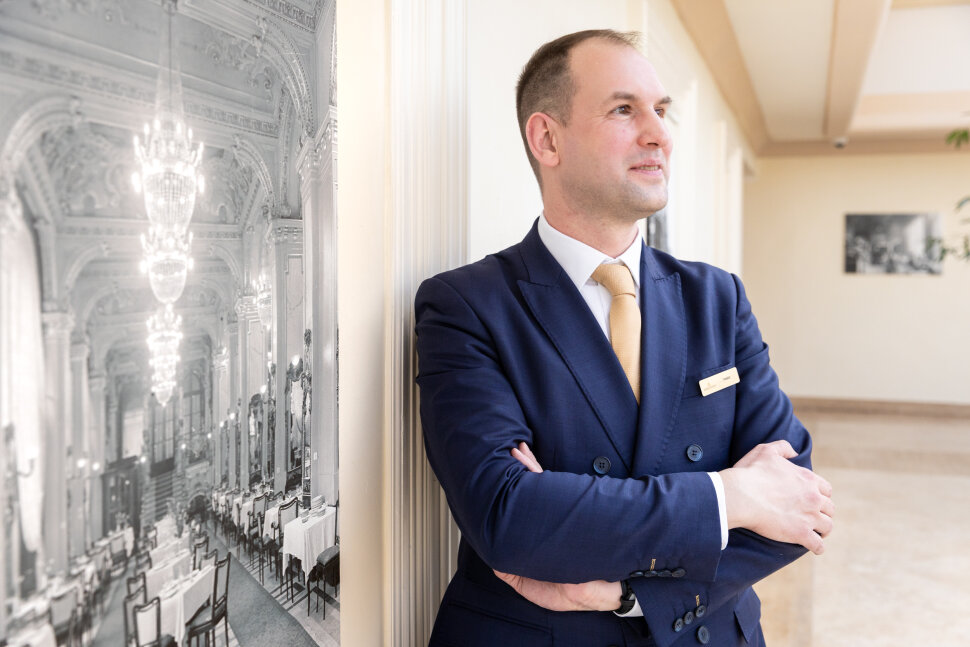
„I firmly believe that a good manager should make every guest feel like a VIP” – Meet Tamás Gebei, Service Excellence Manager at Anantara

This year, the Anantara brand celebrates its 25th anniversary worldwide. To mark this special occasion, we are launching our “Meet the Team” series, introducing the team members of the Budapest property, the Anantara New York Palace Budapest Hotel, who work day after day—behind the scenes or on the front line—for the comfort of guests.
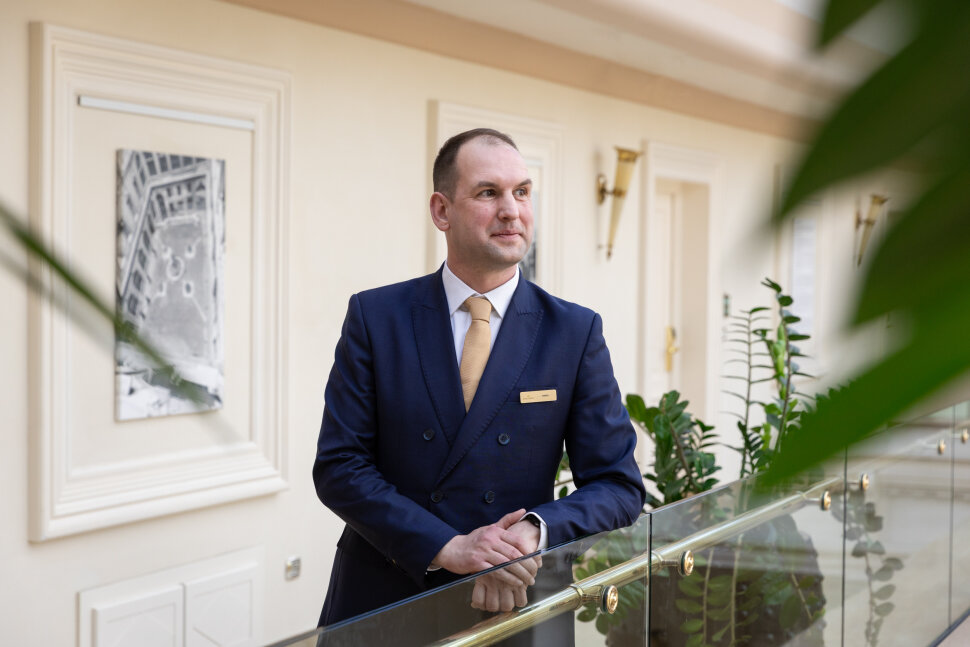
We first sat down with Tamás Gebei, whom you are most likely to encounter in the hotel lobby. By nature, Tamás seeks connection: to him, there is no such thing as an “ordinary” visitor—everyone receives VIP attention. Whether it’s a tourist admiring the lobby or a returning guest, he approaches everyone with the same openness and a good story or two.
– What is your position at Anantara?
Tamás Gebei: I work as a Service Excellence Manager. This role also includes guest relations responsibilities, so I am primarily in charge of maintaining contact with our guests. I pay special attention to VIP guests, although I firmly believe that a good manager should make every guest feel like a VIP.
My responsibilities also include supporting necessary training sessions and overseeing quality control within the hotel. In practice, this means monitoring when housekeeping service is ideally carried out, or how colleagues communicate with guests. The goal is to meet the high expectations that naturally come with the hotel’s position—down to the smallest detail.
– How long have you been working at the hotel, and what positions did you hold before this one?
TG: I joined the New York Palace in 2010, so I’ve been working here for a little over 15 years. I started as a receptionist and worked my way up the ladder: I was a supervisor, guest relations manager, and later front office manager. I’ve tried many roles within the house, but I can honestly say that this current position—Service Excellence Manager—feels closest to my heart.
– So the main focus of your job is guest satisfaction.
TG: Exactly. And to achieve that at the highest level, we rely on many elements beyond the basics. Storytelling, for example, is a very important part of our work. We want to connect with guests in an authentic way so their stay becomes a genuine experience.
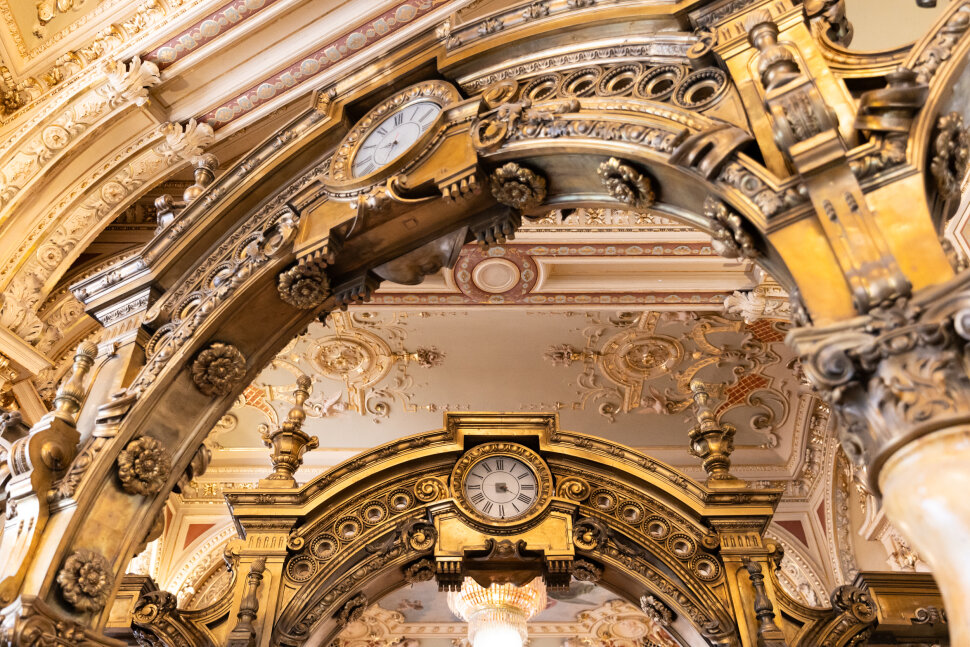
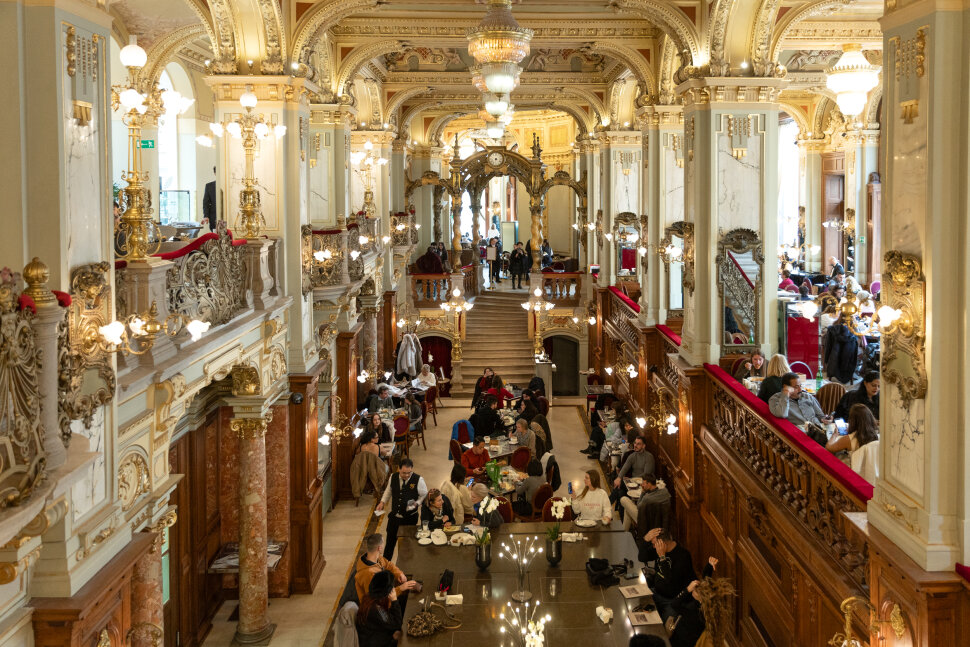
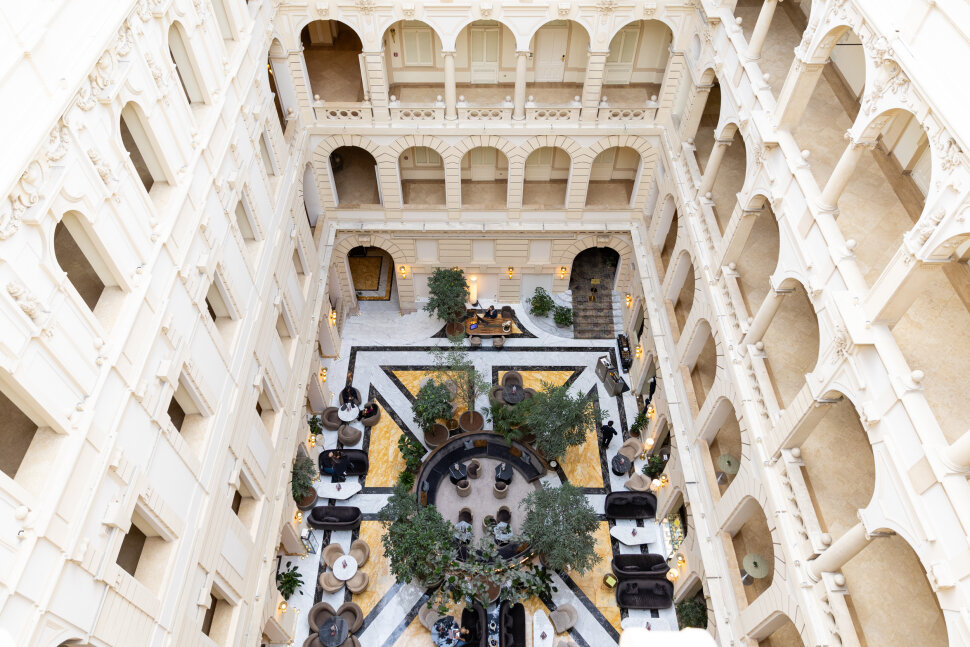
The traditions tied to the building’s history, as well as elements connected to the Anantara brand, help us greatly. Every Anantara property has an “End of Day” ritual, held in a central location—here, in the lobby. In Budapest, due to the local cultural connection, this is complemented by live gypsy music.
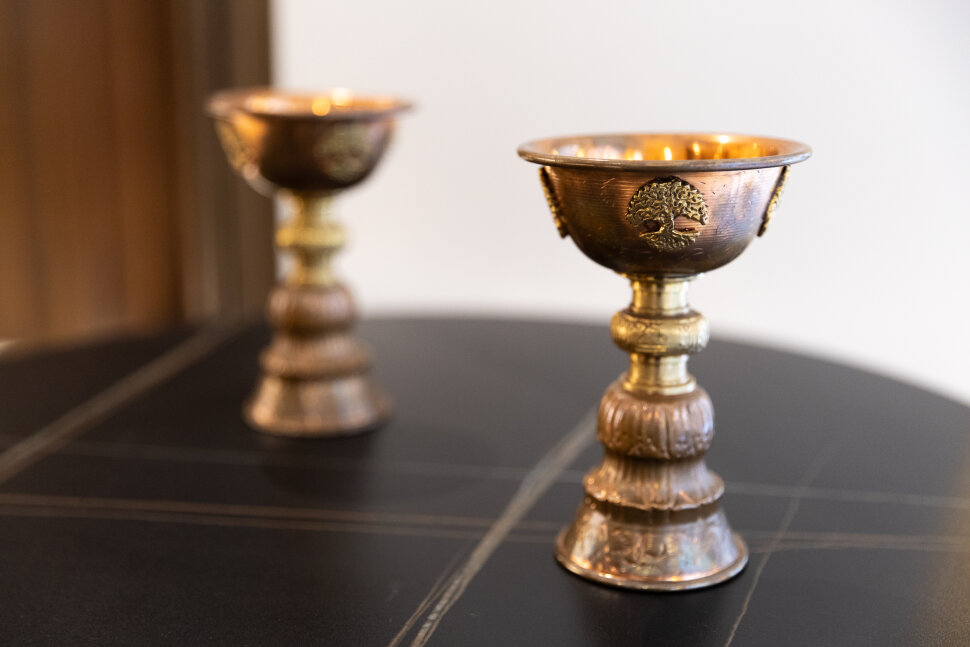
But even upon arrival, guests are welcomed with a similar experience. This stems from an old tradition: when medieval kings ascended the throne, they toasted with aszú wine, symbolically blessing their reign. Near the reception desk, beneath a copper plaque, we have two cups with which guests can make a toast if they wish.
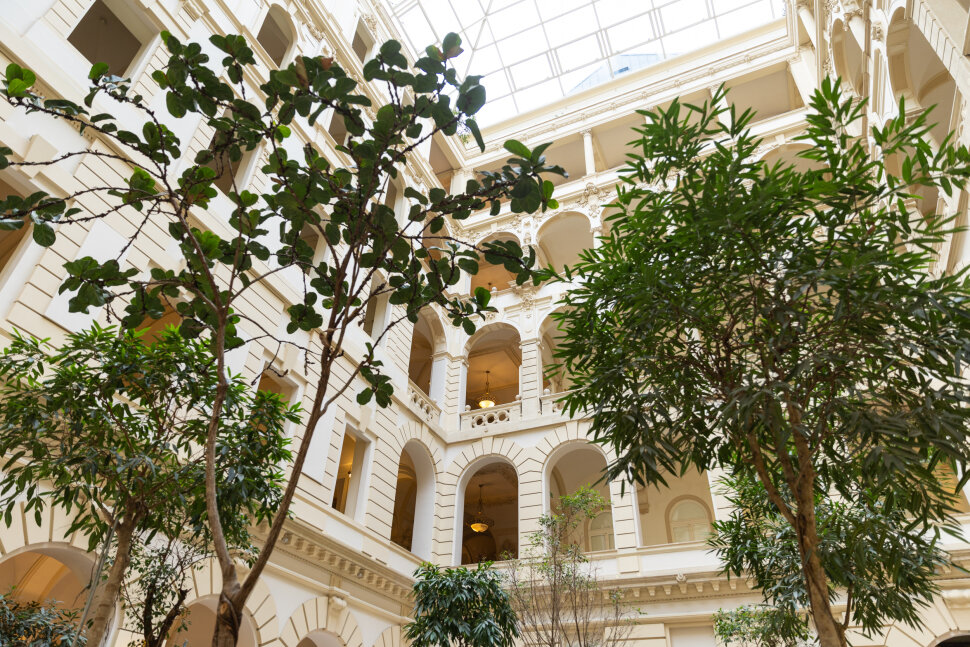
Beyond these fixed elements, there are many spontaneous opportunities to involve guests. If I see someone in the atrium admiring the beauty of the building, I’ll approach them and share stories about the spirit of the place.
– I’ve personally felt this sense of personalization here. It may sound like a strange example, but when I first stayed here, I was addressed by my name immediately…
TG: That’s far more important than many people realize. And it doesn’t necessarily require time to pass before we address a guest by name. I usually ask for the guest’s name at the beginning of a conversation—even if they’re only asking something small. Many people are surprised, but the conversation immediately feels more natural afterward.
I love gestures that remain subconsciously with the guest—small touches that subtly improve their mood. There was once a guest with a complaint, and my colleague simply complimented his glasses. You could feel the conversation lighten instantly. The human factor works wonders in many situations.
– From what you’re describing, it reminds me a bit of the film The Grand Budapest Hotel. Have you seen it?
TG: I loved it! I used to be a member of the Golden Keys Association (Les Clefs d’Or, the professional association of hotel concierges), and choosing this career path was partly inspired by that film.
– So do people come to you with rather unusual requests as well?
TG: Absolutely. Guest relations, in Hungarian, is best translated as the role of a host. That doesn’t necessarily mean I personally arrange everything, but I am the one who invests the time and energy to fully understand what the guest wants. I’m the link who knows which colleague to direct them to, or who can solve a particular issue most efficiently.
Of course, I’m happy to book a restaurant myself if needed, but ideally I connect the guest with the concierge, who will handle the matter professionally from there.
– What does a typical day look like for you?
TG: Every morning, I like to get a clear picture of what’s happening in the house. Are there special events? Any complaints? Anything I should know about? I may check a room where an important guest is arriving and make a few rounds in the building to ensure everything is in place.
I try to spend most of my time in guest areas because I like to see what’s happening live. That’s where I can most actively support colleagues in unexpected situations. If necessary, I’ll step in at reception to check guests in, or I may participate in training sessions. No two days are the same.
There have also been periods when I traveled to other Anantara properties in neighboring countries to help train new teams, assess mistakes, and correct them within a week or two.
– Which cities have you visited recently for this purpose?
TG: Dublin, Vienna, and Lisbon. The latter was a particularly great experience for me.
– You mentioned that handling complaints is also a significant part of your day.
TG: Naturally. It’s not always directly my responsibility, but I have oversight of every complaint and work closely with the team. If my presence or experience is needed, I step in.
I see complaints as opportunities for growth rather than burdens. I very much appreciate the perspective of our General Manager, Tamás Fazekas: if we make a mistake, we take responsibility, fix it, and compensate if necessary.
Of course, some complaints reflect the guest’s emotional state rather than objective reality—but that, too, must be handled properly. At the end of the day, guest satisfaction is the only thing that truly matters. It’s not uncommon for a guest who initially arrived with a complaint to become a loyal returning guest thanks to attentive handling.
– The more you explain, the more complex it seems. It’s almost like you have to breathe together with the hotel.
TG: Exactly. That’s why I believe this profession cannot simply be treated as a job—not if you want long-term success. “Vocation” is a more fitting word. If everyone working here feels ownership of their area and receives the empowerment, training, and feedback they need, then the whole machine runs smoothly.
– Given your role, you probably know more than most about the building and its stories. I understand you occasionally share this knowledge with guests in an organized way. Could you tell us about that?
TG: That’s our History Tour, which lasts about 45 minutes. On days when there’s interest, we start at 5:15 PM in the lobby. First, I give an overview of the building’s history, then we move to the Café, which has plenty of stories of its own.
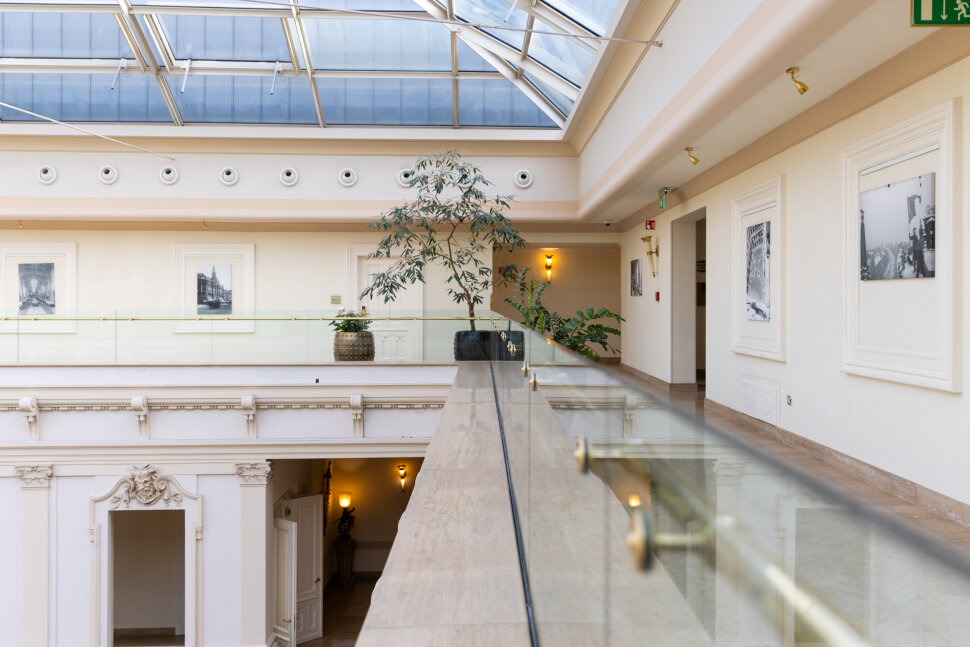
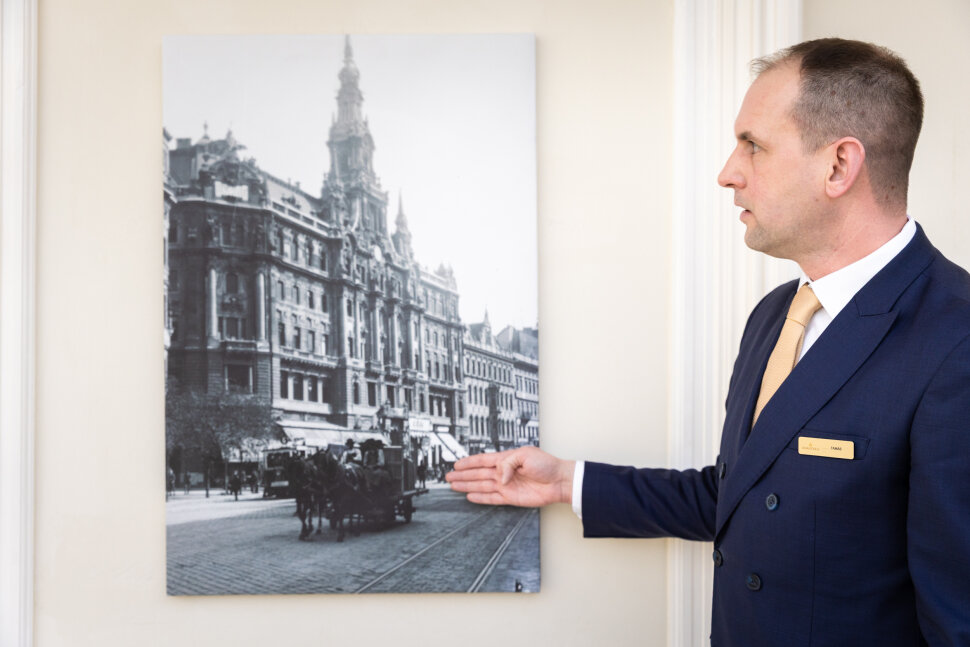
After that, we head up to the fifth floor, where a special photo exhibition features images from the Fortepan archive. These photographs offer an excellent opportunity to dive deeper into the history of the hotel and its surroundings. There have been occasions when older guests, inspired by the photos, shared personal memories that were new and valuable even for me.
Our final stop is the Presidential Suite, which we can visit if it’s not occupied. Guests truly enjoy this part. The tour ends just before 6 PM, as we return to the lobby right when the “End of Day” ceremony begins.
If you stay at the Anantara New York Palace, don’t miss the opportunity to join the History Tour. You’ll discover secrets and details about the building that you won’t find anywhere else. For exact dates and times, inquire directly at the hotel—from Tamás or at the reception desk.
We guarantee that after 45 minutes within these walls, you’ll look at the palace with entirely new eyes.